We approach properties as systems of materials, finishes, fabrics, and exposure patterns — not just surfaces to clean.

Most wood floors that appear dull, cloudy, or uneven are not permanently damaged.

In many cases, what you’re seeing is not a failure of the wood — but a distortion at the surface.

Residue buildup, fine scratches, and uneven wear in the finish layer can interfere with how light reflects across the floor. Instead of a clean, even reflection, the surface appears flat, hazy, or inconsistent.

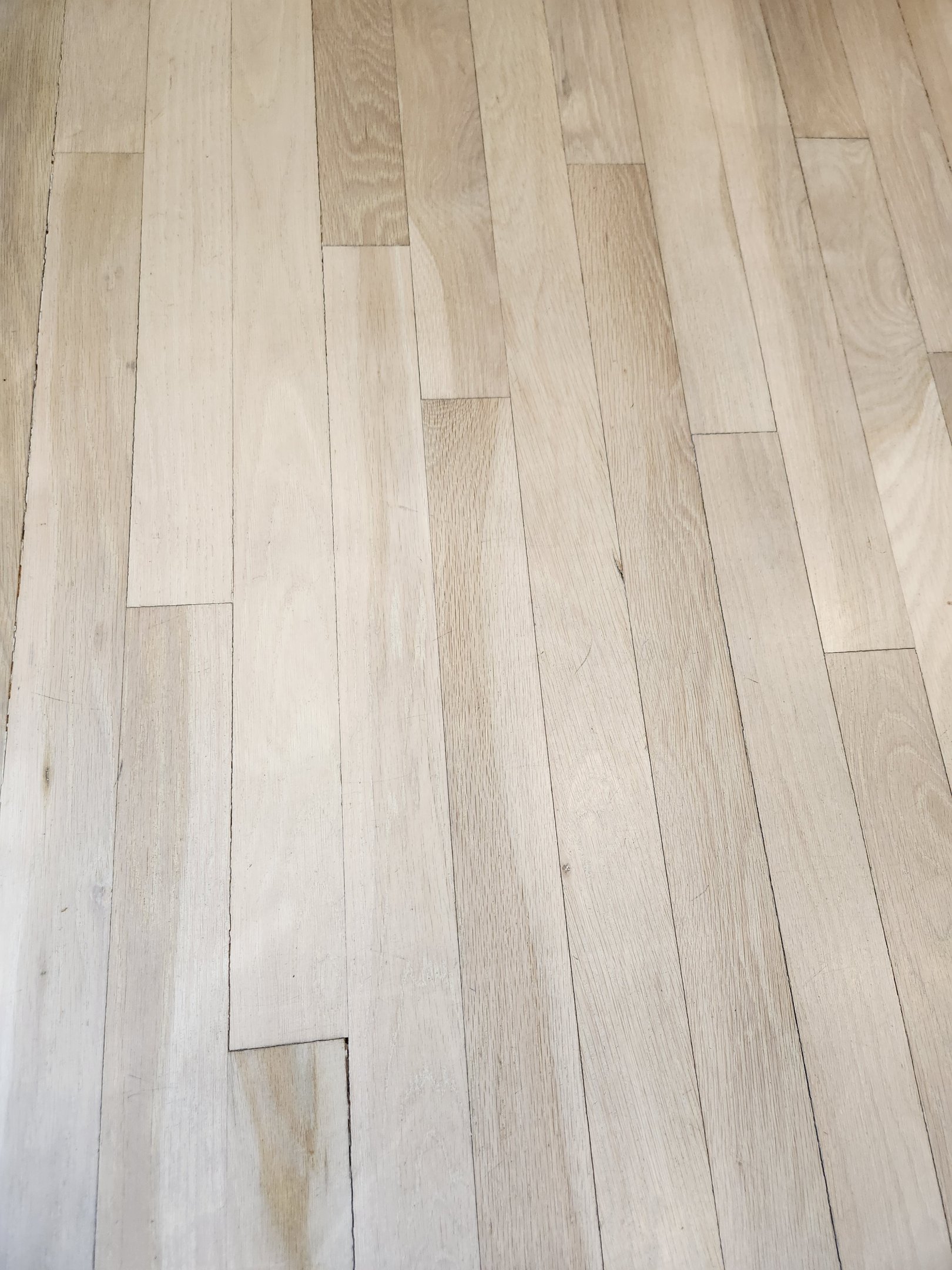
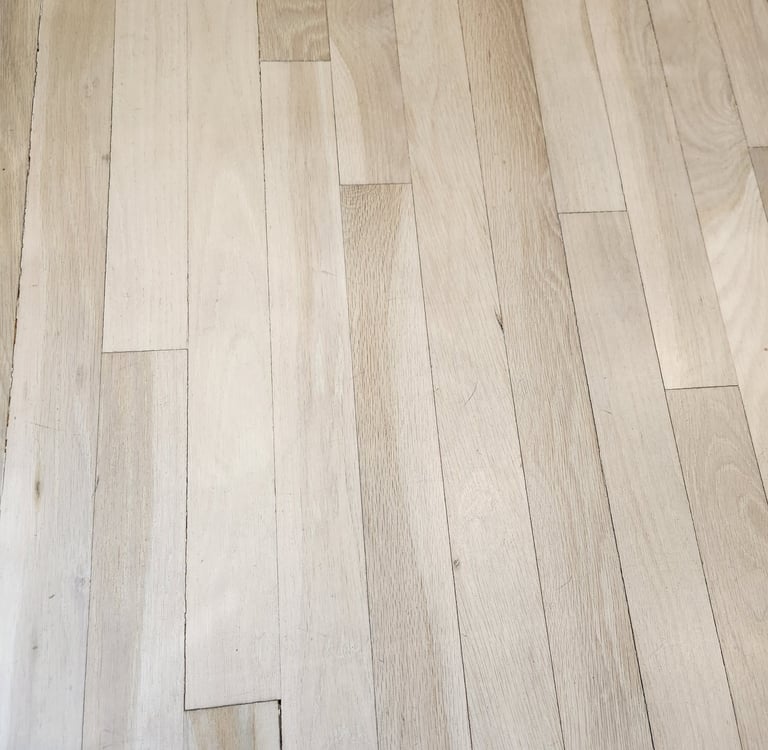
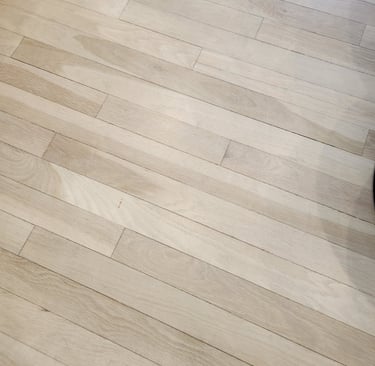
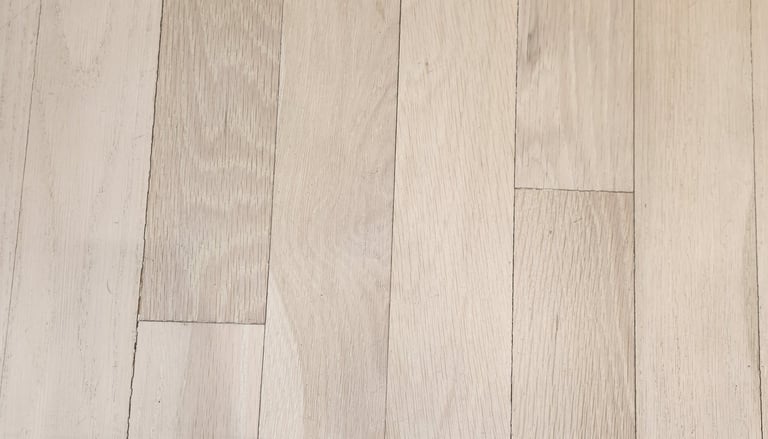
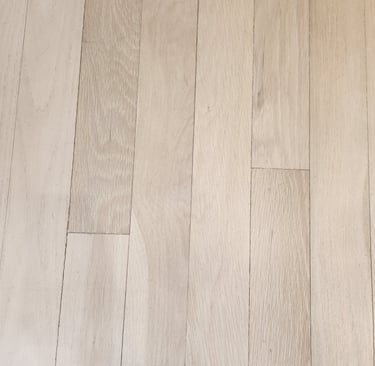
This project began with the client expressing concern over the declining appearance of her wood flooring, including loss of uniformity, surface dullness, and visible wear in high-traffic areas.

The client was unsure how to properly address these issues and was seeking a solution that could improve the condition of the floors without moving toward replacement or more invasive restoration methods.

  • WHAT YOU’RE ACTUALLY SEEING

    When a wood floor loses clarity, it’s usually caused by one or more of the following:

    • Residue from cleaning products creating a thin, dull film

    • Micro-scratches from traffic and debris scattering light

    • Uneven wear in the finish layer causing inconsistent sheen

    • Moisture or environmental exposure affecting surface clarity

    These are common and well-documented causes of dull floors — and importantly, they often affect only the surface layer, not the wood itself
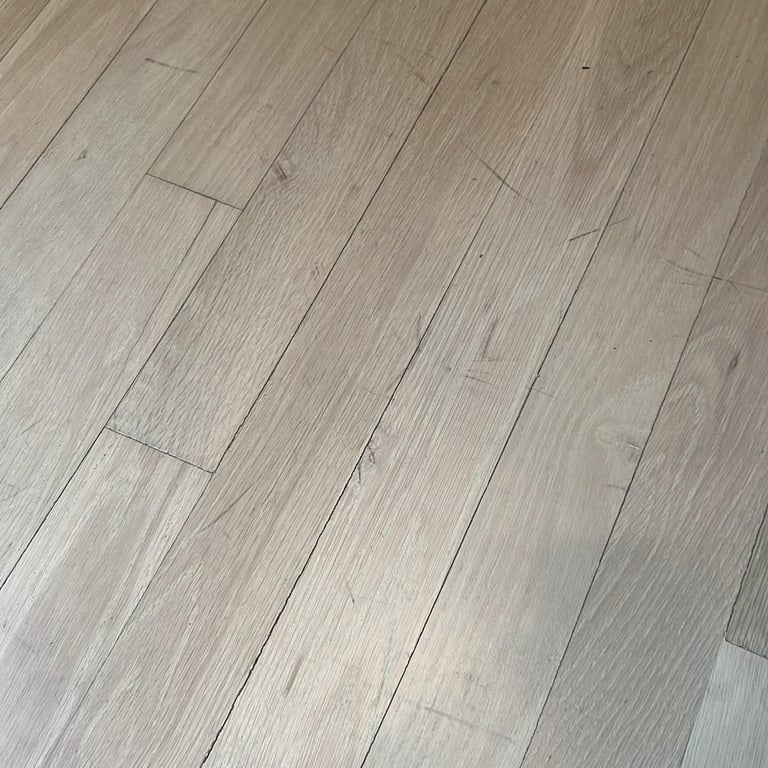
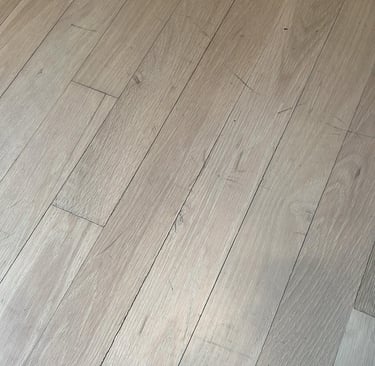
Why Wood Floors Look Dull and Uneven — And How Clarity Can Be Restored Without Refinishing

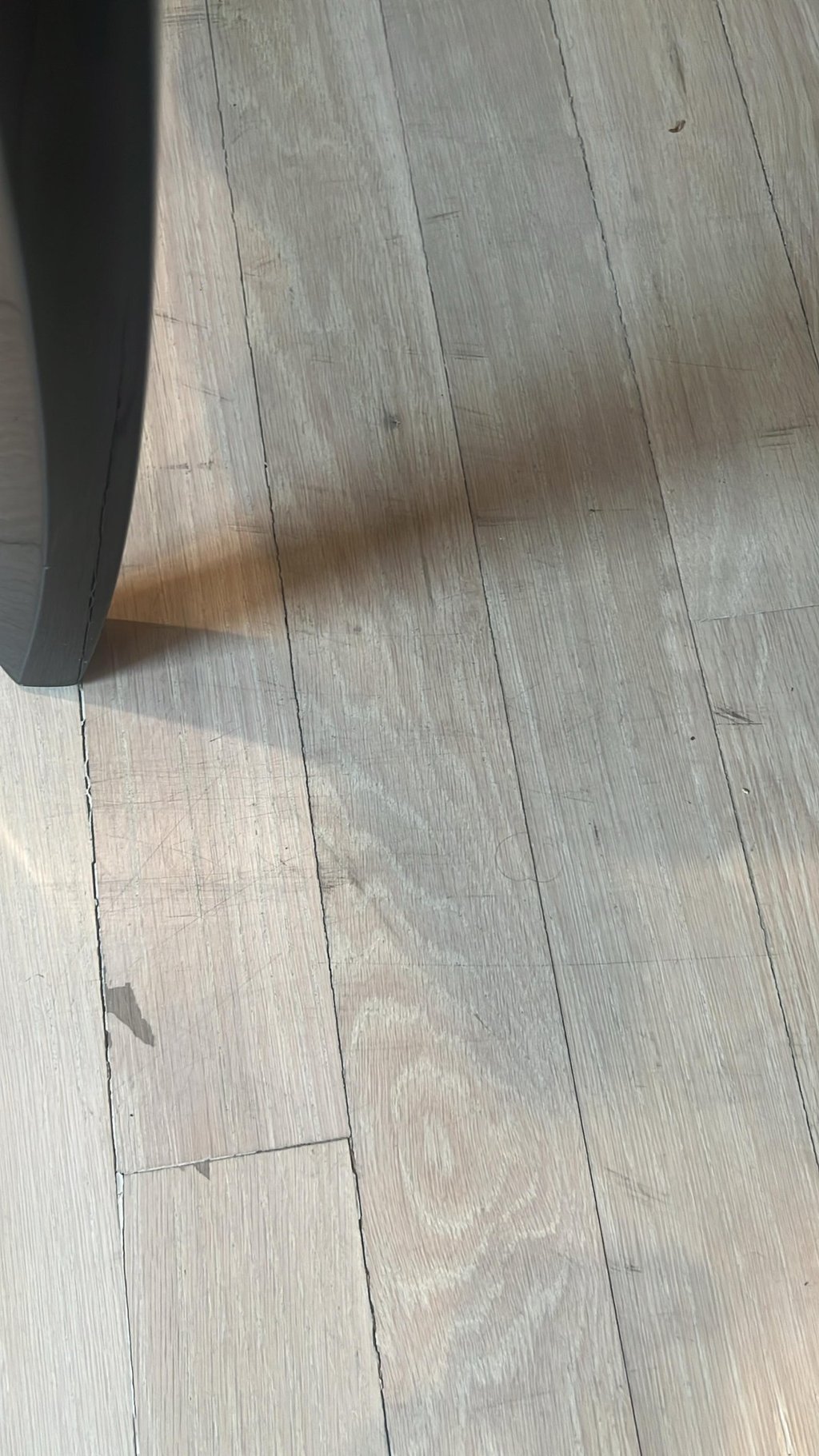
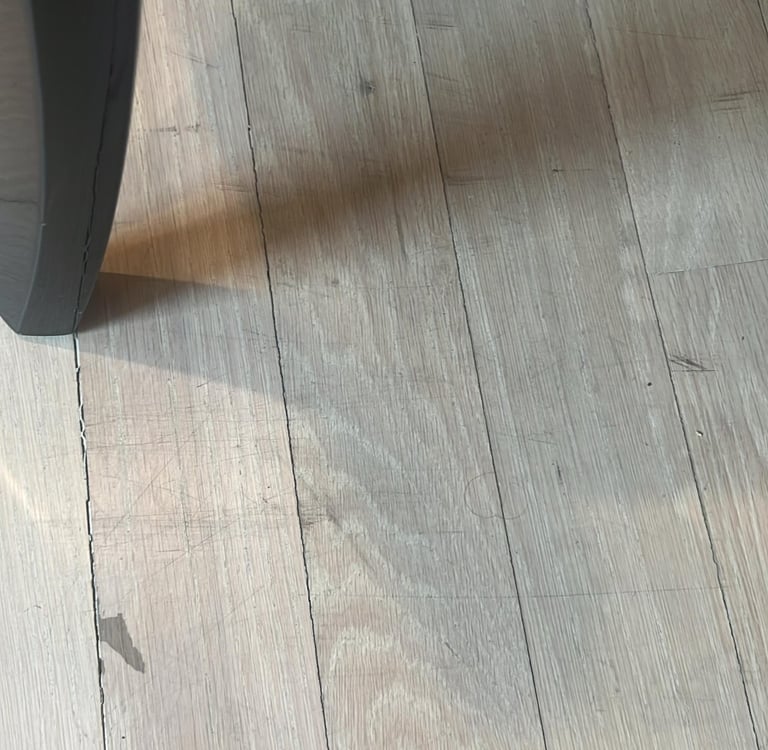
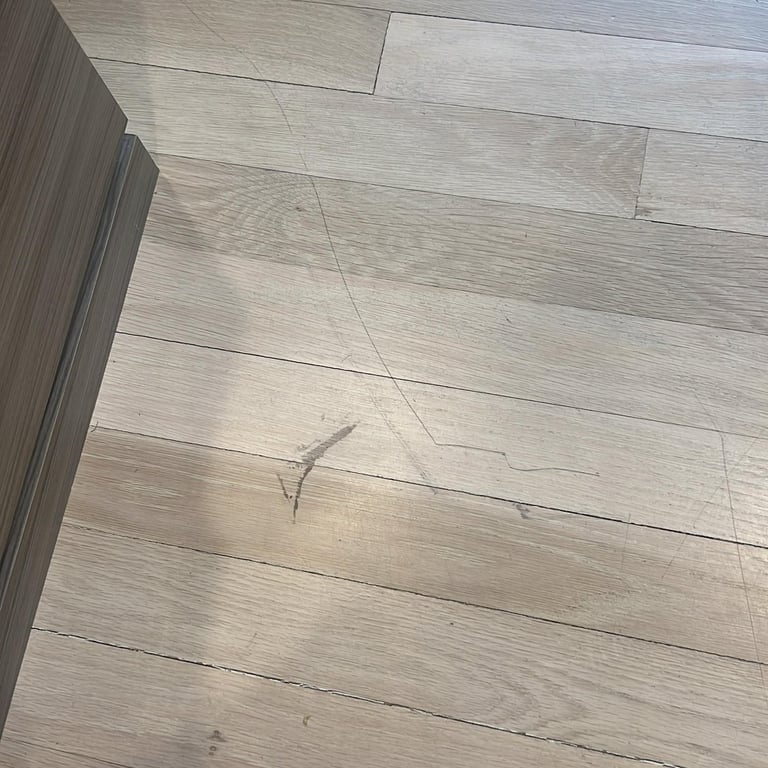
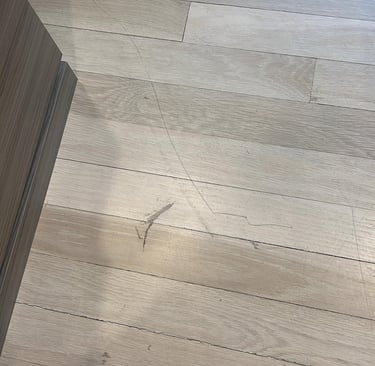
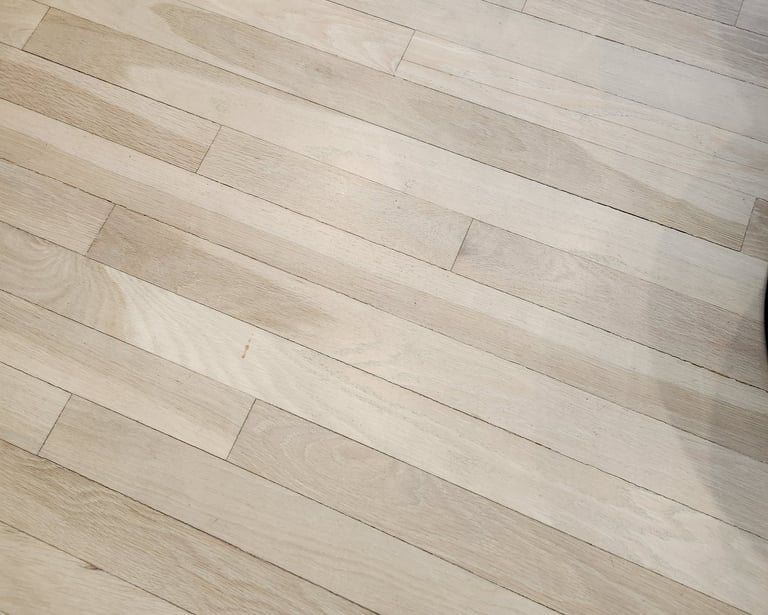
Uneven tone across high-traffic areas

Uneven tone across high-traffic areas

Buildup along edges and seams

Embedded dirt within exposed wood grain

Surface dullness and reduced light reflection

Technical Assessment

From a wood floor perspective, this condition reflects a combination of material exposure, wear, and maintenance factors.

The surface showed signs of minimal or no effective protective coating

The wood grain remained open and absorbent

Prior use of general-purpose products such as Lysol and Mr. Clean likely contributed to residue buildup and uneven appearance

Daily traffic resulted in mechanical wear and pattern formation

Without a protective system, the wood absorbs contaminants directly, which affects both appearance and cleanability over time.

WHY REFINISHING IS OFTEN OVERUSED

Refinishing is a valid process.

But it also:

  • removes material

  • alters the original surface

  • involves higher cost and disruption

In many situations, refinishing is recommended before the surface is properly evaluated.
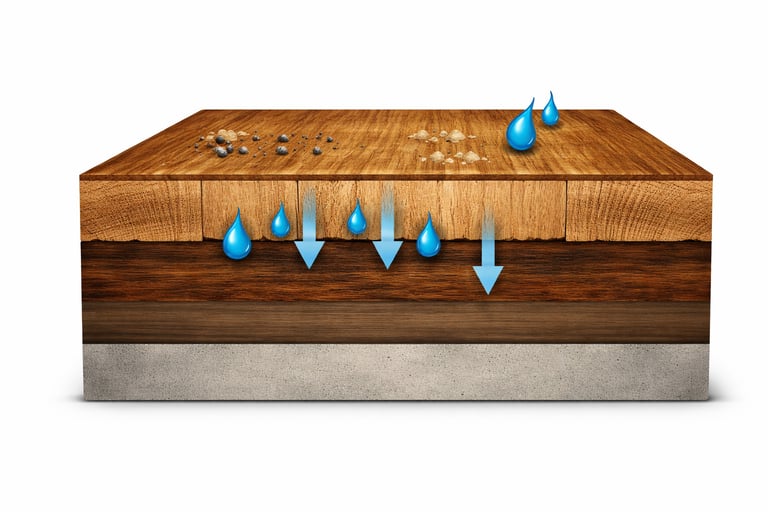
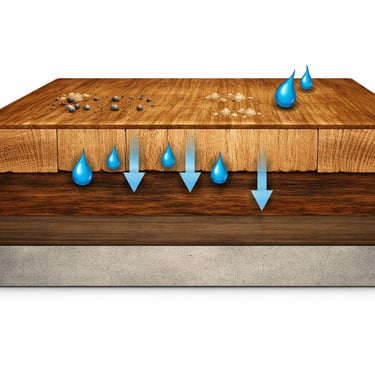
Understanding the Surface

Structure of wood floor showing surface exposure and absorption into grain

Open Wood Grain

Absorbed Contaminants

Absorption Zone

Subfloor

Dirt & Debris

Moisture & Chemicals

Surface Exposure

Uncoated or Worn Surface

  • Open grain structure

  • Direct absorption of dirt and moisture

  • Increased visibility of wear patterns

Bright living room with modern inventory

Comparison between protected and unprotected wood surfaces

Coated Surface (When Degraded)

Finish becomes uneven or worn

Residues sit on the surface

Light reflection becomes inconsistent

Bright living room with modern inventory

Impact of Improper Products

  • Residue film accumulation

  • Dirt trapped in surface texture

  • Progressive dullness and uneven tone

Effect of residue buildup and harsh cleaning products on wood floor appearance

Approach — Clarity Restoration Without Refinishing

At the client’s request, the process focused on improving the existing condition while avoiding recoating or polishing.

Step 1 — Surface Assessment

  • Identification of wear zones and buildup concentration

  • Evaluation of surface condition and absorption level

Step 2 — Controlled Cleaning

  • Use of wood-safe, residue-minimizing solutions

  • Low-moisture application to protect exposed material

  • Removal of surface contaminants without over-saturation

Step 3 — Edge & Detail Work

  • Targeted cleaning along seams and baseboards

  • Reduction of visible buildup in transition areas

Step 4 — Surface Normalization

  • Improvement in visual consistency

  • Reduction of dull patches

  • Enhancement of natural wood clarity

CLARITY RESTORATION

Instead of immediately sanding or replacing, the surface should be assessed and, when possible, restored.

Clarity restoration focuses on:

  • removing residue and buildup

  • correcting surface-level distortion

  • rebalancing how light interacts with the finish

  • preserving the original material

The goal is not to “make it shiny” —
but to restore the natural visual clarity of the surface

Process & Progression

Controlled cleaning process in progress Detail work along edges and seams Progressive removal of buildup

  • Improved clarity and light reflection

  • More uniform appearance across traffic areas

  • Reduction in visible buildup and residue

  • Natural wood tone more clearly defined

What This Means

It is important to distinguish between different levels of floor care:

Cleaning

Removes surface dirt only

Surface Restoration (This Approach)

Removes buildup and improves clarity

Enhances appearance without altering structure

Refinishing

Required for deep scratches or full reset

Involves sanding or applying a new finish

In this case, a preservation-based approach provided measurable improvement while delaying the need for more invasive restoration.

Long-Term Considerations

To maintain and continue improving results:

  • Use wood-specific cleaning systems

  • Avoid general-purpose cleaners

  • Maintain consistent care routines

  • Monitor wear patterns over time

Request a Wood Floor Assessment

If your floors are showing similar signs of dullness, buildup, or uneven appearance, a professional assessment can help determine the most appropriate approach.

This includes evaluation of surface condition, identification of contributing factors, and recommendations tailored to the current state of the flooring system.

This case demonstrates how surface appearance is influenced not only by wear, but by maintenance practices and product compatibility over time. Through controlled restoration and proper care, it is possible to significantly improve clarity and consistency while preserving the existing material.