
Surface Stability → Material Care Plans → Environmental Risk Reviews → Environmental Usage & Soil Conditions → Moisture & Water Behavior.
Get Your Environmental Stability Assessment
Tell us a few details so we can tailor an evaluation aligned with your space and material systems.
I agree to receive email communications from Veppa Services
By checking "Yes", you are agreeing that Veppa Services may contact you via email with updates and other information. If you wish to continue your customer relationship without receiving marketing communication, you may submit your information without checking "Yes".
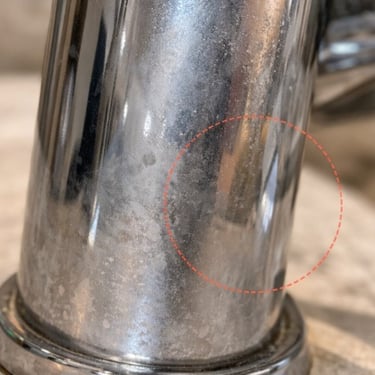
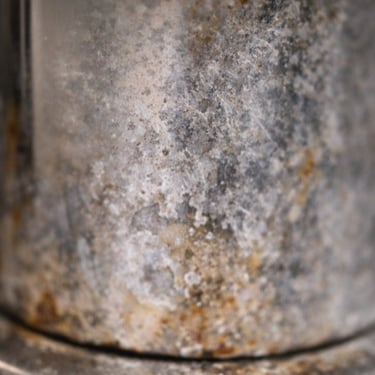
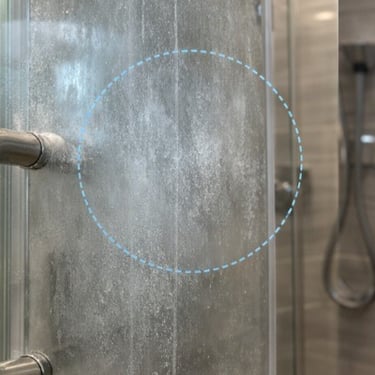
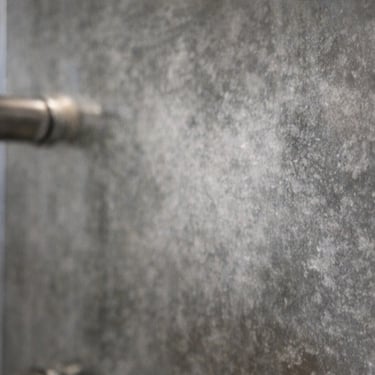
What to Expect After a Scheduled Visit
During the walkthrough assessment, we evaluate environmental conditions, materials, and current care practices in order to identify opportunities to improve hygiene stability and surface preservation.
Following the walkthrough assessment, Veppa may provide a summary outlining key observations and environmental care considerations identified during the visit.
Deliverables may include:
• risk observations related to materials, finishes, and environmental conditions
• review of chemical compatibility with existing surfaces
• environmental care recommendations based on observed conditions
• maintenance and care strategy suggestions to support long-term surface stability
Where applicable, the review may also include:
• evaluation of tools and cleaning methods currently in use
• recommendations regarding technician support for specialized care tasks
• incorporation of Veppa-trained technicians or guidance for supporting and training existing staff responsible for routine care
These observations are not limited to the items listed above and may include additional considerations identified during the walkthrough discussion and environmental assessment.
The objective of this review is to provide practical guidance that supports environmental hygiene, protects materials, and helps maintain stable interior conditions over time.
These recommendations are intended to support informed environmental care decisions rather than prescribe a single fixed approach, as conditions and materials vary between environments time.
What Our Environmental Assessments Evaluate