From Predictivity to Outcome. Property Intelligence in Practice
A Property That Carries Its Own Intelligence
Predictable outcomes are only possible when care decisions are informed by memory.
Every residence and commercial property we service is supported by a living intelligence system that follows the space through its entire lifecycle — from post-construction to daily use, renovation, and long-term operation.
Rather than treating each visit as isolated, we document materials, decisions, and responses over time. This allows care to remain intentional, consistent, and protective — not reactive.
What the Property Intelligence Holds
Each property’s intelligence file is built gradually and evolves with the space. Depending on the environment, it may include:
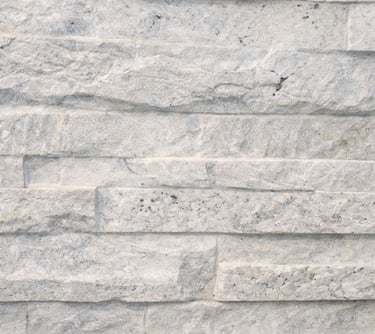
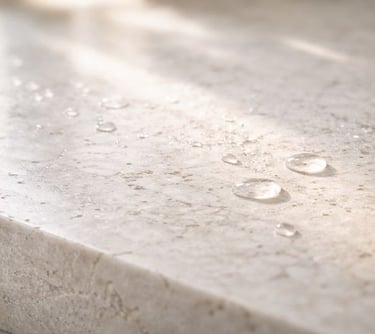
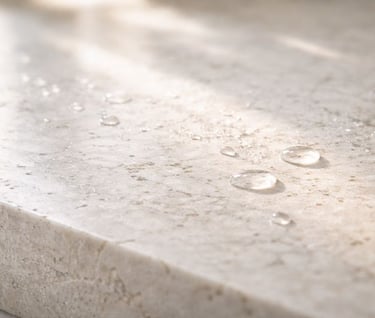
Materials and finishes present throughout the property
Fabric compositions, treatments, and chemical sensitivities
Care instructions specific to surfaces, textiles, and architectural elements
Maintenance history and follow-ups as materials age or respond to use
Frequency of service and how it adapts over time
Recommendations for added, corrective, or specialized services
Observations and notes intended for the property owner or stakeholders
Architect, builder, or designer notes documenting original material intent
Optional care labels or guidance added upon request
This intelligence allows properties to be cared for as they were designed — not guessed.
Residential Intelligence
Features & Purpose
In private residences, the intelligence system functions as a long-term care companion to the home.
It supports:
Protection of architectural finishes and custom materials
Documentation of fabric treatments and surface sensitivities
Ongoing maintenance notes and follow-up observations
Thoughtful adjustment of visit frequency over time
Clear recommendations for specialty or preventive services
Continuity for owners across seasons, renovations, or changes in occupancy
Preservation of original design intent through architect or designer input
For homeowners, this creates clarity, confidence, and continuity — allowing the home to age with intention rather than uncertainty.
Commercial Intelligence
Features & Purpose
In commercial environments, the same intelligence framework expands to support operational oversight, planning, and accountability.
It enables:
Documentation of service frequency and visit distribution
Tracking of supply usage and consumption patterns
Recommendations for floor, carpet, grout, upholstery, and specialty maintenance
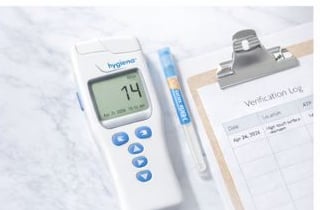
Logging of inspection findings and follow-up actions
Identification of early wear or performance issues
Planning for special service requests or inspection visits
Consistency across teams, shifts, and stakeholders
This transforms maintenance from a reactive expense into a structured, intelligible system — supporting budgeting, forecasting, and long-term asset protection.
From Insight to Outcome
As properties evolve, their care must evolve with them.
The intelligence file informs:
When frequencies should increase or decrease
When materials require preventive or restorative attention
When specialized services should be introduced
When original care methods should be adjusted
Each visit builds on the last, creating continuity instead of repetition.
This is how predictivity becomes outcome — not through rigid schedules, but through informed stewardship.
One System. Two Expressions.
Residential or commercial, the intelligence remains the same:
Observe. Record. Learn. Adapt.
Different environments.
The same disciplined care.