
Science-led cleaning for
high-use environments
Programs are informed by applied chemistry, environmental assessment, and
disciplined process design.
Veppa provides controlled environmental care for facilities where risk, exposure, and outcomes must be managed—not guessed. Programs are informed by applied microbiology, surface chemistry, and epidemiology fundamentals, and executed using professional-grade commercial agents aligned with established industry leaders.
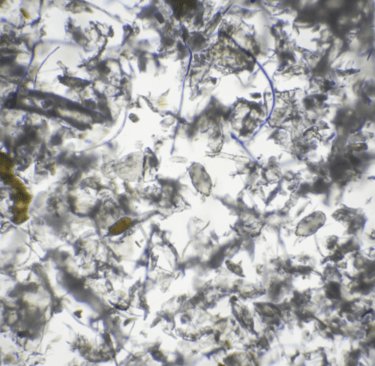
Each environment is assessed based on microbial behavior, material compatibility, traffic patterns, and operational constraints to support consistent, verifiable risk reduction while preserving long-term surface integrity.
Learn more in Veppa Method. →
Applicable environments
Medical and outpatient facilities
Universities and research environments
Museums and cultural institutions
High-traffic commercial and
professional spaces


How outcomes are achieved
Veppa addresses this complexity through a structured system — the Veppa Method — which integrates scientific assessment, environment-specific protocol design, controlled application, and ongoing verification.
This allows programs to remain effective over time while minimizing unnecessary intervention and material degradation.
Explore the Veppa Method →
This approach is informed by extensive field experience with professional chemical systems, hospitality environments, and applied environmental-health frameworks used where appropriate for commercial risk conditions.

Assessment
Controlled application
Verification
The Veppa Method is informed by infection-prevention and public-health frameworks adapted to real-world commercial environments.
Protocol design
How these situations are typically resolved
Examples of operational issues identified and corrected through chemistry, systems thinking, and protocol design in real environments.
Laundry Problems Misdiagnosed as Equipment Failure
In care facilities and hospitality environments, recurring laundry issues are often caused by chemical dosing imbalance and processes rather than equipment malfunction.
Correcting the handling process resolved the issue without equipment replacement, while reducing chemical overuse, water consumption, and fabric damage.
Outcome: operational stability without unnecessary cost.
Cross-surface Contamination from tool misuse
In offices and commercial spaces, improper textile and tool handling during cleaning can increase cross-surface contamination risk.
Redesigning surface and material handling protocols significantly reduces this exposure.
Outcome: safer environments through method, not intensity.
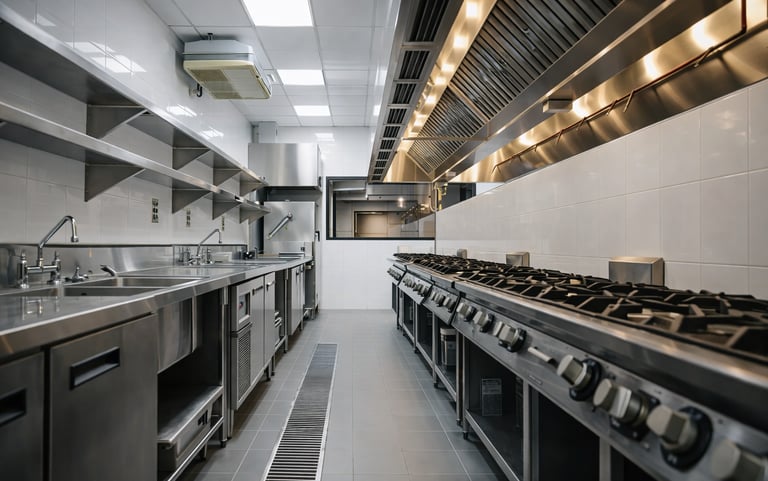
Chemistry & surface mismatch in commercial kitchens
In food service and hospitality kitchens, mismatches between cleaning agents and surface types lead to gradual surface damage and hygiene inefficiencies.
Matching chemistry, equipment, and surface use patterns corrects both issues.
Outcome: improved hygiene with reduced material stress.
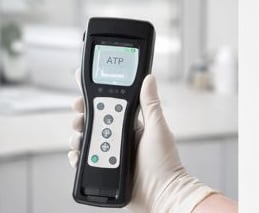


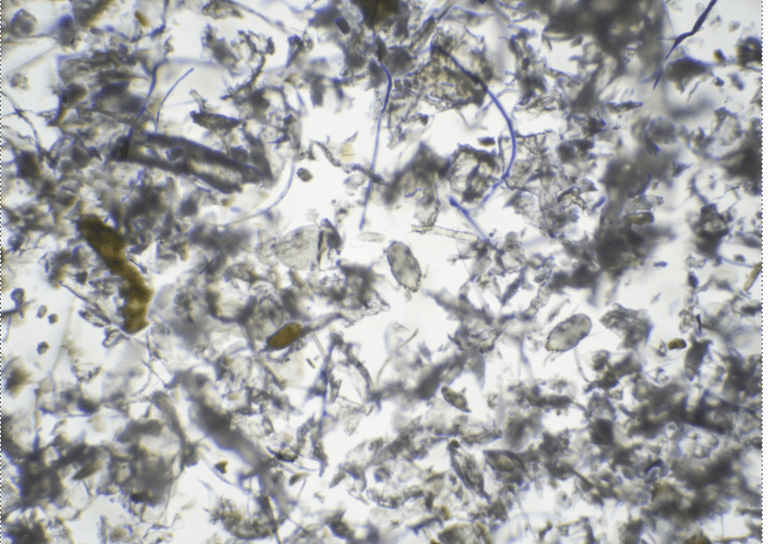




Reduced microbial burden
Lower cross-
contamination
risk
Improved environmental consistency
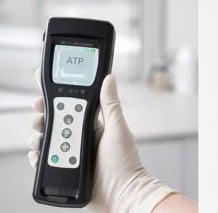
Verifiable results







Tailored for your workspace, our services are selected based on chemical composition, reactivity, material compatibility, and air flow and long-term impact.
Outcomes


SELECTION CRITERIA
APPLICATION LOGIC
PHYSICAL ALIGNMENT
Chemical Composition
Reactivity
Material Compatibility
Long-Term Impact
Advanced Disinfection
Applied Where Appropriate
Aligned with Modern Infection-Prevention Practices
Surface Reality
Material Behavior
Environmental Conditions
Our commercial programs are supported by a structured Property Intelligence File — a documented system that tracks supply usage, visit frequencies, inspection findings, material conditions, and service recommendations. This record ensures accountability, supports planning, and creates transparency across teams and stakeholders.
If we are entrusted with an environment, we are obligated to understand it.
CLEANING THROUGH SCIENCE




LED BY EXPERIENCE
Request a facility visit
A structured evaluation informed by your environment, materials, and operational conditions.